
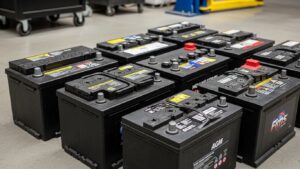
 The article reports that unsafe recycling of used car batteries in Nigeria has created a major public-health and environmental crisis, exposing workers and nearby communities—especially children—to dangerous levels of lead. Driven by rising global demand for cheap recycled materials, informal recycling sites break open batteries without protective equipment, contaminating soil, homes, food, and waterways.
Despite repeated warnings, investigations reveal weak government oversight, inadequate cleanup efforts, and the involvement of international companies that export battery waste to Nigeria, allowing the toxic problem to grow. The situation highlights how global recycling systems can shift environmental and health risks onto vulnerable populations.
Source: New York Times