
Mine Closure and Land Rehabilitation: A Forgotten Chapter in Sustainability
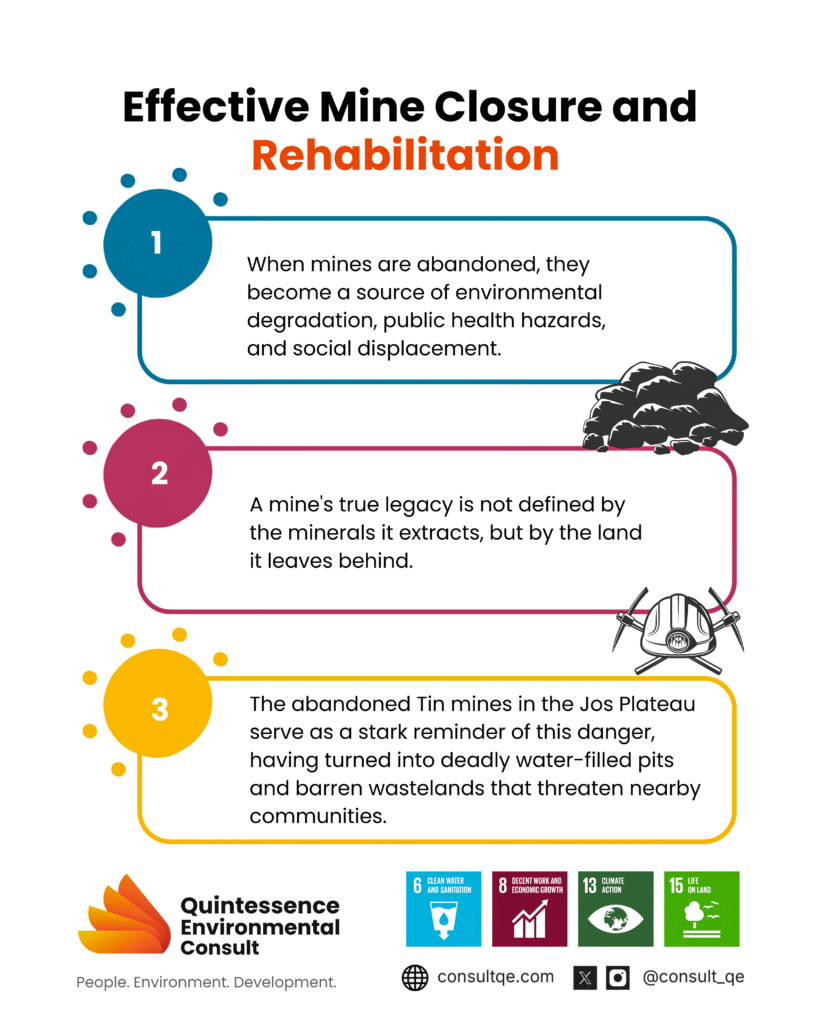
When conversations on sustainable mining arise, they often focus on responsible extraction, environmental safeguards, and community relations during active operations. Rarely, however, do they touch the crucial, final chapter of mining: “mine closure and land rehabilitation”, a chapter that determines whether the land will become a legacy of prosperity or a scar of neglect.
WHY IT MATTERS
For decades, mining in Nigeria and indeed in much of Africa, such as the Republic of Congo, South Africa, Ghana, etc, has been driven by the excitement of discovery and profit. Unfortunately, once minerals are depleted, many companies pack up, leaving behind degraded landscapes, toxic tailings, and polluted water bodies. Communities are left to deal with the aftermath: infertile soils, unsafe pits, and lost livelihoods. The abandoned tin mines in Jos, Plateau remain a stark reminder of the dangers of ignoring post-mining land use; many have turned into deadly water ponds or barren wastelands, posing environmental and public health risks [1].
In contrast, modern sustainable mining emphasizes not only “how we mine” but “what we leave behind”. Mine closure and land rehabilitation ensure that post-mining landscapes are safe, ecologically functional, and, where possible, economically useful.
Zero-Carbon Emission: Your Guide to a Sustainable Digital World
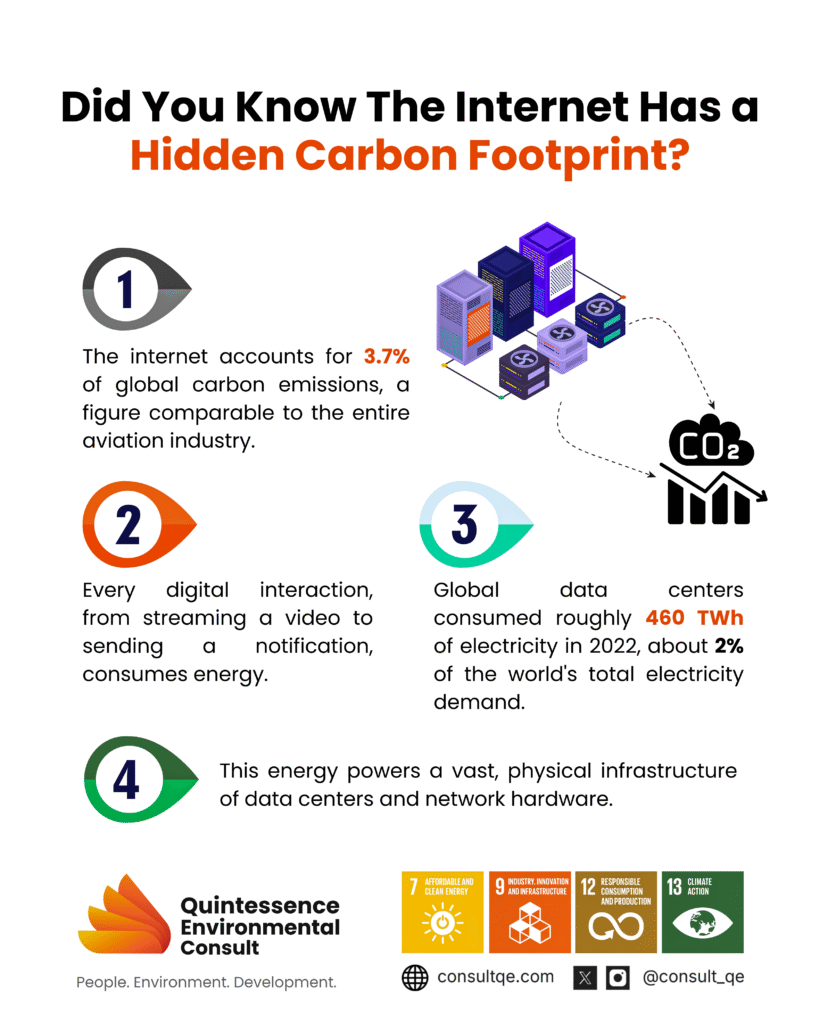
The internet is not as clean as it seems. Every website you visit, every video you stream, and every notification your application sends consumes energy. With 5.56 billion internet users globally [2], the collective environmental impact of digital platforms is staggering. Digital technologies are now responsible for more greenhouse gas emissions than the entire aviation industry. Every time someone visits a website, their browser sends a request to a server, which consumes electricity, often powered by fossil fuels (coal, petroleum and natural gas). While we often think of digital technology as an ethereal and clean resource, it’s powered by a vast, physical infrastructure of servers, data centers, and network hardware that consumes massive amounts of electricity.
The Economic Power of Green Jobs in Nigeria
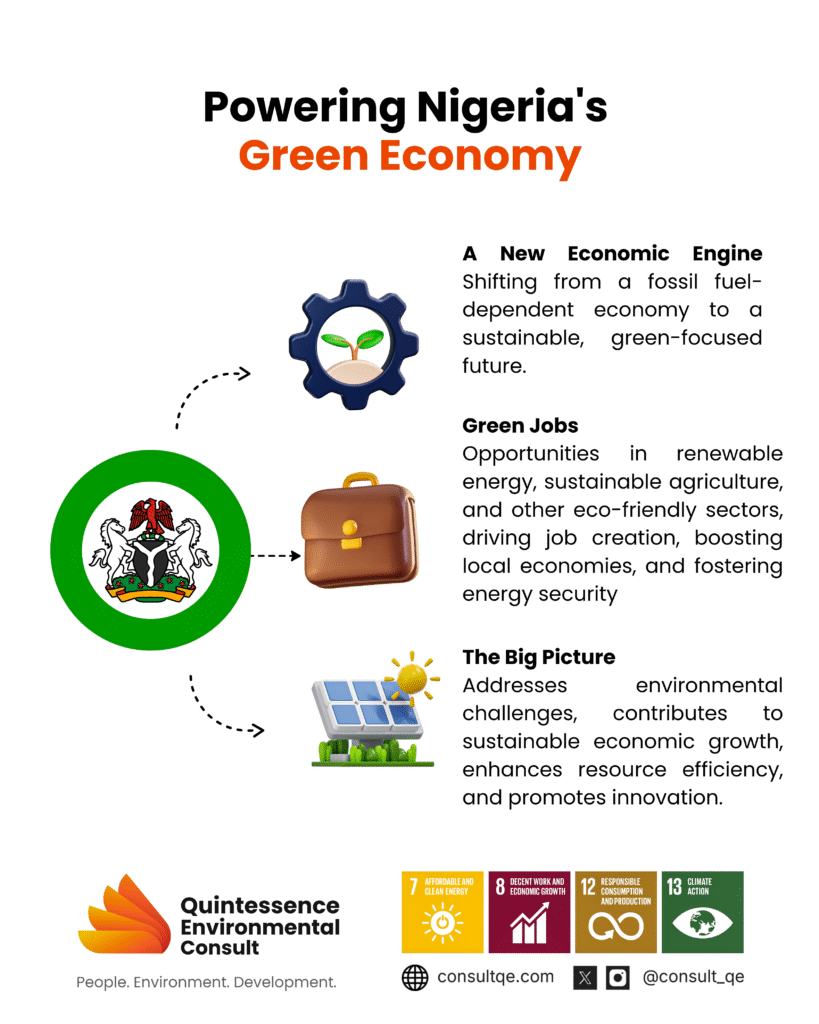
For decades, Nigeria’s economic narrative has been heavily reliant on the unstable nature of the oil market, as seen in the 2016 recession. (1) This dependency hinders the country’s capacity to develop other critical sectors, such as agriculture, manufacturing, and renewable energy. However, as the world shifts towards a sustainable future, transitioning to a green economy serves as an innovative pathway to enhancing the Nigerian economy. The transition to a green economy, a model that is low-carbon, resource-efficient, and socially inclusive, is not just about environmental protection; it is a strategic pathway to creating a new generation of employment opportunities known as green jobs.
Nigeria’s Strategic Transition to Cleaner Energy
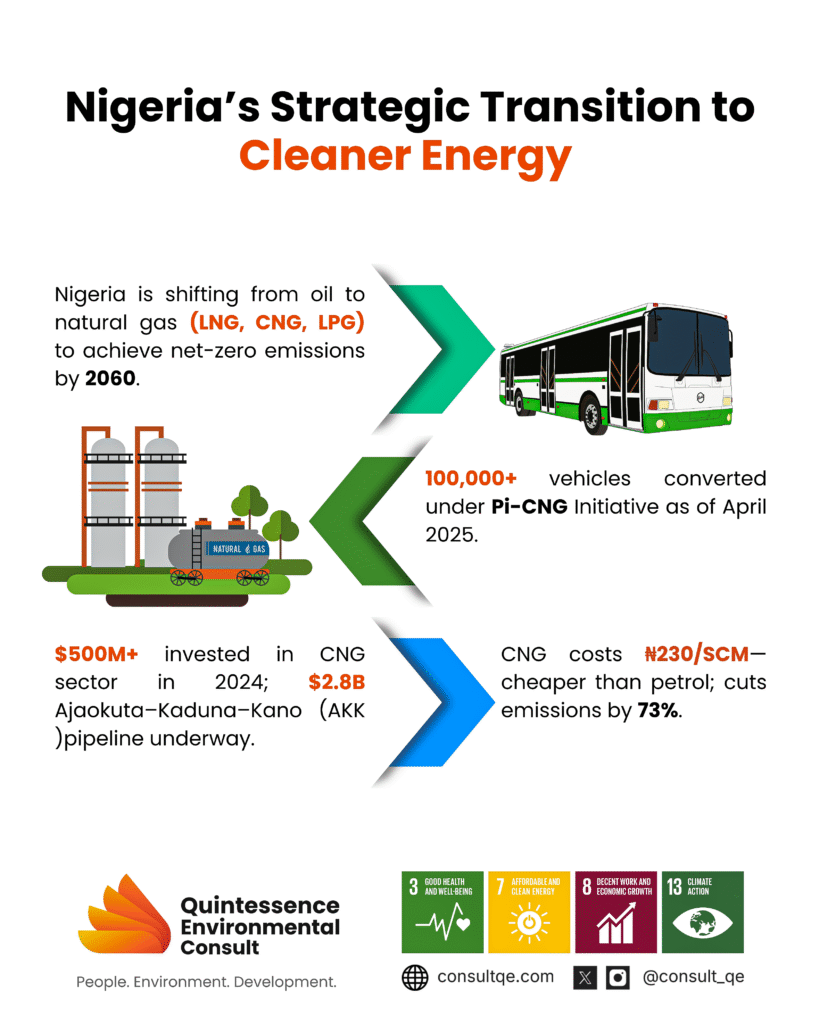
Nigeria bears the brunt of decades of severe environmental degradation due to its dependency on oil for fuel. Oil spills, a tragic and common occurrence stemming from pipeline vandalism, operational failures, or inadequate infrastructure, have wreaked havoc on ecosystems and shattered livelihoods. Beyond the immediate devastation, carbon emissions from oil-dependent infrastructure contribute significantly to global climate change. This immense environmental toll, compounded by persistent social unrest fueled by resource control disputes and perceived marginalization, underscores an urgent and undeniable need for a new direction. This blog delves into Nigeria’s vital shift towards a promising future fueled by cleaner and more sustainable energy sources.
Deforestation: A Critical Threat to Sustainable Water Resources
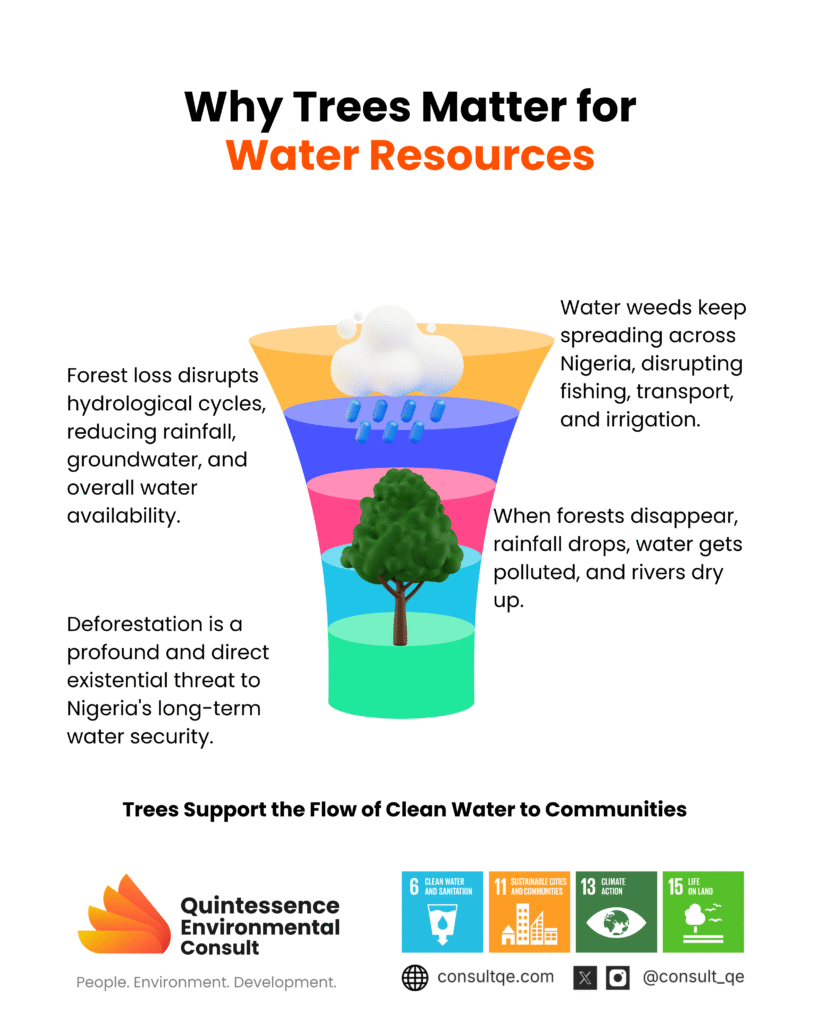
Nigeria, a nation rich in biodiversity, is facing the challenge of water scarcity. A significant, yet often underestimated, contributor to this is deforestation.
Forest ecosystems are integral in sustaining water resources by protecting river catchments, maintaining rainfall patterns, and filtering water naturally. (10) Forests significantly enhance soil moisture retention, minimizing surface runoff, storing considerable volumes of water within their canopy, and facilitating the gradual infiltration and percolation of water into the subsurface (3).
The continuous degradation and clearing of forest reserves in the country disrupts its natural hydrological processes, jeopardizing the sustainability of freshwater resources for millions (8).