
Sustainable Development Through Green Technology Innovation In Nigeria
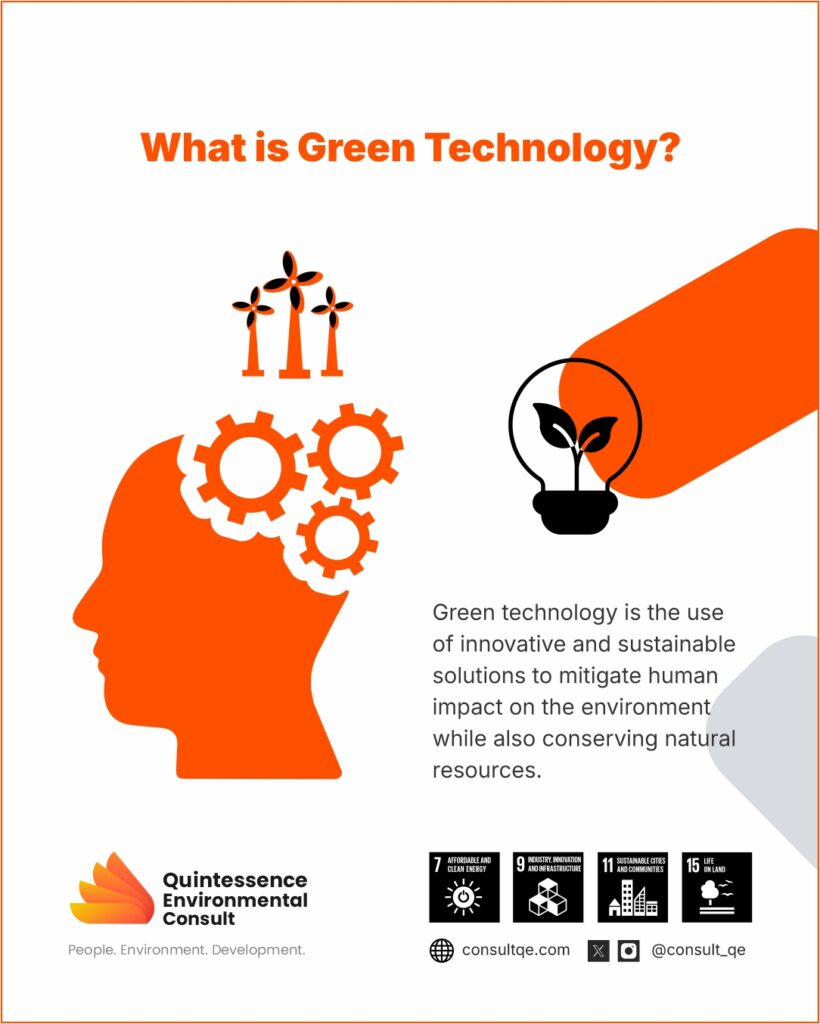
KEY TAKEAWAYS: Green technology innovation is crucial for sustainable development in Nigeria, with potential impacts on the environment, social well-being, and economic growth. Some progress has been recorded in the renewable energy sector and agriculture through the work being done at the Rural Electrification Agency (REA), the National Agency for Science and Engineering Infrastructure (NASENI) and the Centre for Dryland Agriculture (CDA) to mention a few. Beyond solar and agroforestry, waste management and green building remain underexplored sectors. Leveraging these could address Nigeria’s pollution crises while creating jobs and improving urban resilience. Key barriers to implementing green technology in Nigeria include limited government policies fostering innovation, limited green financing, and a gap between the innovation space and the real sector. Green financing is a key factor in promoting green technology innovation, including financial instruments such as green bonds, green banks, and carbon market instruments. INTRODUCTION Population growth and expanding industrial activities have driven a significant rise in natural resource consumption and electricity demand. The extraction of these resources and the use of fossil fuels to generate electricity lead to environmental issues such as deforestation, biodiversity loss, pollution, resource depletion, and global warming. Hence, there is a need to plan, organize, and control human activities to manage our resources for our efficient use and the use of future generations. Sustainable development encompasses social, environmental, and economic aspects. One of the many strategies that can achieve all aspects is the implementation of green technology. In Nigeria, The Energy Commission of Nigeria (ECN), is responsible for strategic planning and coordination of national policies in the energy sector. ECN has developed the Renewable Energy Masterplan (REMP) to promote an increase in the supply of renewable electricity from 13% of total electricity generation in 2015 to 23% in 2025 and 36% by 2030 [4]. Also, the Centre for Dryland Agriculture (CDA) is promoting sustainable agricultural practices through training, outreach programs, and research in areas such as molecular biology, plant tissue culture, geographic information system (GIS) & remote sensing, soil & plant analysis, and food analyses. [1] WHAT IS GREEN TECHNOLOGY? Green technology is the use of innovative and sustainable solutions to mitigate human impact on the environment while also conserving natural resources. It has gained global adoption across diverse sectors such as agriculture, renewable energy, waste management, water treatment, sustainable construction (green building), and pollution control. Advantages of Green Technology on the Scope of Sustainable Development Environmental Impact: Green technologies mitigate environmental issues, such as pollution, biodiversity loss, and resource depletion. Renewable energy, for example, displaces fossil fuel dependency, which minimizes hydrocarbon contamination of aquifer systems and particulate emissions. Circular economy practices, such as material recycling and upcycling, reduce waste generation and extend product lifecycles. Social Impact: Green technologies provide social amenities, such as healthcare, education, and accessible clean water. Solar-powered water purification systems in remote areas provide portable water and eradicate waterborne diseases. Sustainable agro-techniques (e.g., integrated pest management, precision agriculture) minimize agrochemical runoff, preserving soil health and bolstering food security through resilient crop yields. Economic Impact: Green technology drives cost-efficient innovation and labour market expansion. Waste recycling industries reduce raw material procurement costs while generating employment across the collection, sorting, and processing sectors. Renewable energy infrastructure development stimulates high-skilled job creation in engineering, manufacturing, and maintenance, fostering inclusive economic growth. Green technology has the potential to make significant contributions to achieving sustainable development by addressing environmental issues, improving social well-being, and fostering economic growth. [9] GLOBAL INITIATIVES OF GREEN TECHNOLOGY Denmark implemented green technology through wind power renewable energy source. Thus, becoming the country with the highest share of wind power in the world by generating 47% of its electricity from wind power in 2019 [6] and with a target of reaching 60% by 2030 [5]. This has enabled the country’s greenhouse gas emissions (GHG) to be reduced to 41.7% in 2020 from its initial 71.1% in 1990. [3]India, a developing country, has also implemented green technology as a tool for its Railways. Indian Railways is the national railroad carrier that transports more than 16 million passengers and 1.5 million tonnes of freight daily, with 1.34 million employees. It consumes almost 2% of India’s total electricity consumption. Employees of Indian Railways reside in housing colonies that utilize energy-inefficient incandescent lamps (ICLs) for their lighting needs, thus increasing peak electricity demand in the evening. Hence, a multidisciplinary project team was given the task of looking for solutions that would reduce peak electricity demand in housing colonies through the adoption of green technology by its employees. The biggest challenge for the project team was to figure out the financing mechanism, to kick-start the project. Various options that were put forth during brainstorming sessions include; subsidy by the government, initial free supply of the product but with monthly installment payback, subsidy reduction for electrical consumption (to make the green technology more attractive), subsidy for manufacturers (to reduce the cost of producing green technologyproducts) But they were rejected by the government. The project team found a workable solution and successfully implemented it to provide green lighting solutions in approximately 400,000 households of Indian Railways. The Indian government launched schemes like the UJALA (Unnat Jyoti by Affordable LEDs) scheme to promote the replacement of ICLs with energy-efficient LED bulbs. This project resulted in a significant reduction of peak lighting load without compromising on the lumen output and, thus, contributed towards sustainable development. [10] Some case studies of ongoing green technology projects include; Singapore’s Green Building Initiative – It is part of the Singapore Green Plan 2030, the nation’s collective effort to advance the agenda on sustainable development. It aims to deliver these three key targets of “80-80-80 in 2030” greening 80% of Singapore’s buildings, 80% of new developments to be super low energy, 80% improvement in energy efficiency. [13] In the case of Uganda, a developing country, joining the Sustainable Energy for All (SE4All) initiative with its goals being; More than 98% of the population has electricity access from mainly solar PV but also from hydropower., geothermal,
Harnessing Anaerobic Digestion For Biogas Production In Nigeria
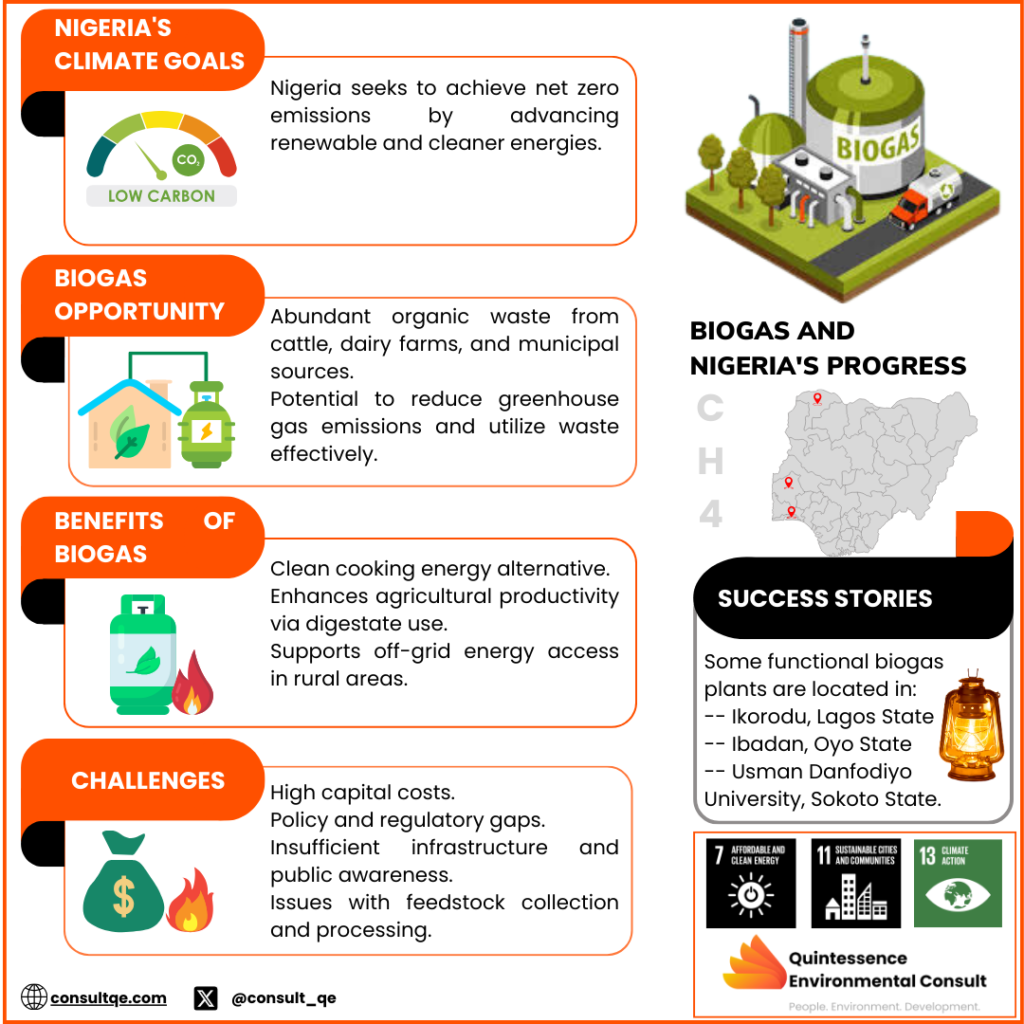
KEY TAKEAWAYS: Nigeria’s reliance on fossil fuel generated GHG emissionsof 100.389MT CO2 in the year 2022, ranking Nigeria to be 4th largest emitter of carbon in Africa. Anaerobic digesters are a great innovation for the country’s renewable energy options. Nigeria has abundant sources of organic waste suitable for biogas production. For instance cattle waste alone has the potential of yielding about 25.53 billion cubic meters of biogas about 169 541.66 MWh of electricity and 88.19 million tons of bio-fertilizer per annum. Biogas production offers diverse advantages, including reducing greenhouse gas emissions, providing clean cooking energy, improving agricultural productivity through digestate use, and supporting off-grid energy access for rural communities. Various projects, such as the biogas plants in Ikorodu-Lagos State, Ibadan-Oyo State, and Usman Danfodiyo University-Sokoto State, demonstrate the feasibility of biogas technology. Biogas production in Nigeria faces barriers like high capital costs, policy and regulatory gaps, lack of infrastructure, limited public awareness, and challenges with feedstock collection and processing. 2. OVERVIEW Nigeria is heavily reliant on fossil fuels, primarily oil, because it is one of the largest oil producers in Africa, with proven reserves of 37.50 billion barrels and a production capacity of approximately 2.19 million barrels per day (mbpd).13 Majority of its government revenue and export earnings come directly from crude oil sales, making its economy heavily dependent on this resource. Heavy dependence on fossil fuels due to its economic value creates significant environmental concerns. Fossil fuels account for more than 65% of the country’s greenhouse gas emissions, with an alarming GHG emissions of 100.389MT CO2 in the year 2022, ranking Nigeria to be 4th largest emitter of carbon in africa.10 As Nigeria takes strides toward achieving its climate and energy transition goals under the Paris Agreement, reducing this dependency will be critical for sustainability and energy security. Biogas produced from the anaerobic digestion of organic matter offers a plethora of benefits for Nigeria’s energy mix; due to its renewable and clean energy resource. In this report, we will explore the transformative potential of harnessing this technology to play a pivotal role in waste management and renewable energy production, offering a sustainable solution to environmental issues in Nigeria. SO, WHAT IS ANAEROBIC DIGESTION? Let’s first talk about Organic Matter. Organic matter comprisesorganic compounds resulting from the remains of decomposed previously living organisms such as plants and animals, and their waste products. Major sources of organic material for anaerobic digestion include dairy manure, food processing waste, plant residues, municipal wastewater, food waste, fats, oils, and grease. Anaerobic digestion (AD) is a biotechnological process that uses the diverse population of microorganisms to decompose organic matter in the absence of oxygen, resulting in the production of biogas—a renewable energy source primarily composed of methane (CH₄). The biotechnological process involves four stages: Hydrolysis, acidogenesis, Acetogenesis and Methanogenesis.10 The transformation of organic matter into biogas unveils anaerobic digesters as an environmentally sustainable and eco-friendly energy solution. BACKGROUND INFORMATION Nigeria’s commitments under the Paris Agreement include achieving NetZero by 2060 and transitioning to clean energy sources.15 As such, Nigeria pledged in its Nationally Determined Contribution (NDC) to adopt bioenergy as an alternative clean energy fuel to enhance its Energy Transition agenda. This supports Nigeria’s Long-Term Strategy for decarbonization, aiming to reduce emissions by 20% below the projected baseline levels by 2030, with a conditional target of achieving a 47% reduction within the same timeframe.16 As Nigeria takes firm strides towards a greener and more sustainable future, biogas emerges as a reliable clean energy technology to facilitate Nigeria’s NDC commitment. CURRENT STATUS OF BIOGAS PRODUCTION IN NIGERIA Although biogas plants are not yet familiar in the Nigerian energy market, some substantial work has been done and work is still in progress on it. For instance: The Usman Danfodiyo University, Sokoto, has designed a plant that can produce 425 litres of biogas per day, sufficient for basic cooking needs. Biogas Plant for electricity generation through gas produced from co-digestion of cassava peels and cow dung at a factory in Ibadan, Oyo State In 2019, the biogas plant at Ikorodu Mini Abattoir, in Lagos State, was capable of converting organic waste through the installation of four 5,000-litre digester tanks, fed with digestible organic waste and concentrated wastewater from the abattoir. Biogas generated was used to power the abattoir for close to six hours daily. The project was carried out by the Lagos State government, Friends of the Environment (FOTE) and HIS Biogas.3 BTNL Nigeria’s project at the Maximum Security Custodial Centre in Port Harcourt focuses on producing organic fertilizer from waste. This initiative aims to convert waste generated within the facility into valuable organic fertilizer, promoting sustainable waste management and supporting agricultural productivity.8 In addition, various research works on the science and technology of biogas production have been carried out by various scientists in the country. The Biogas Practitioners Association of Nigeria (BPAN) and Nigeria Biogas Association (NBA) have attested that despite biogas technology has proven to be a reliable and sustainable source of clean energy that could enable an affordable, reliable and available alternative clean energy solution in Nigeria it has only gained little legislative adoption and implementation in the Nigerian energy policy. 13 SIGNIFICANCE OF BIOGAS PRODUCTION Biogas production offers multifaceted benefits that address energy, environmental, and socio-economic challenges. It’s also suitable for all the various fuel requirements in the household, agriculture and industrial sectors. For instance, domestically, it can be used for cooking, lighting, water heating, running refrigerators, water pumps and electric generators. Agriculturally, it can be used on farms for drying crops, pumping water for irrigation and other purposes. In industries, it can be used in small-scale industrial operations for direct heating applications such as in scalding tanks. 2 Biogas production offers multiple benefits: Providing a sustainable alternative to fossil fuels, contributing to energy security and reducing reliance on non-renewable resources. Biogas systems capture methane emissions from decomposing organic waste that would otherwise escape into the atmosphere, reducing the overall greenhouse gas (GHG) impact, and significantly contributing to climate change mitigation. Anaerobic digestion
Climate Finance and Emerging Issues from COP 29: What Next for Nigeria?
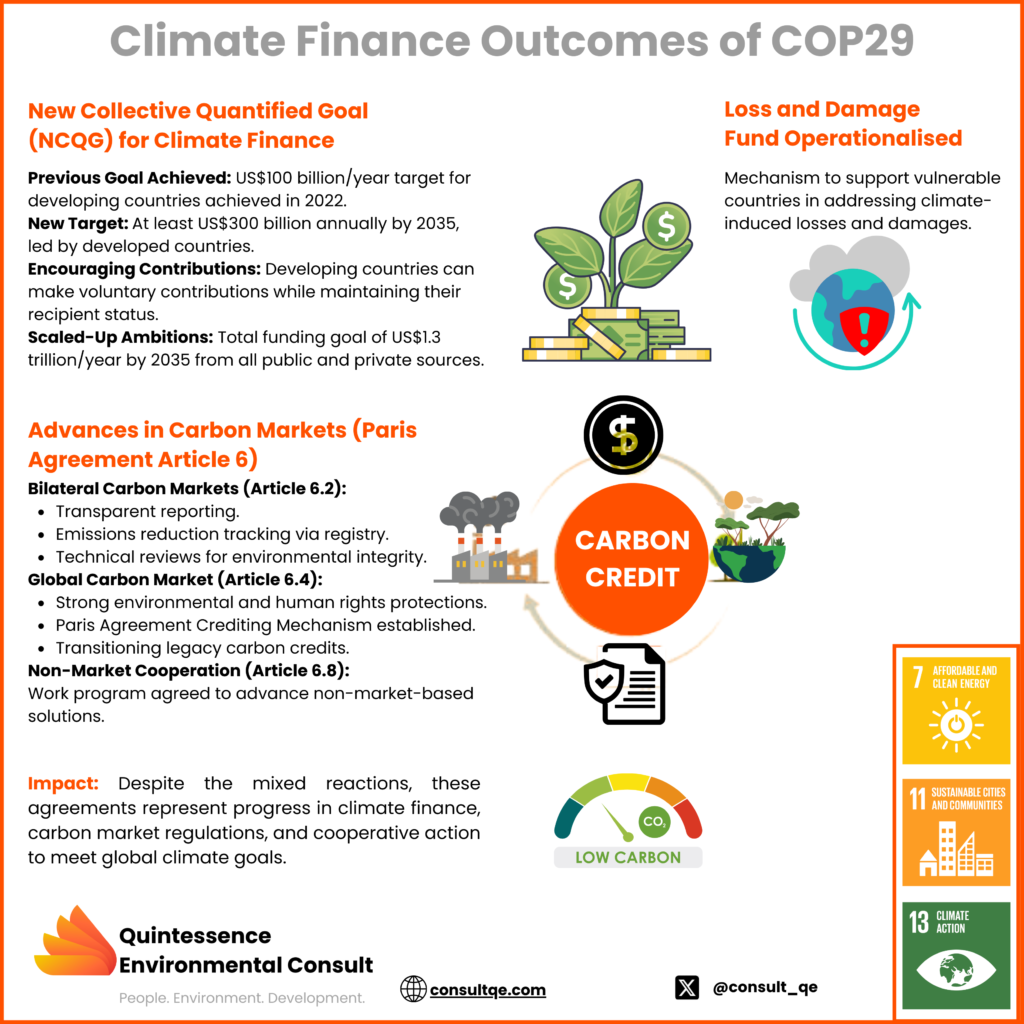
KEY TAKEAWAYS: COP29 set new, ambitious financial goals, including tripling the annual climate finance commitment for developing countries to $300 billion and aiming to mobilize $1.3 trillion annually by 2035. The Loss and Damage Fund, established during COP27, was further operationalized at COP29. This fund aims to assist vulnerable countries in dealing with climate-related disasters. COP29 made progress in refining international carbon market rules to enhance environmental integrity and prevent double-counting, which is vital for global carbon trading and emission reductions. Nigeria has made strides in climate finance through the 2021 Climate Change Act and initiatives such as the $50 million Carbon Vista fund. The country launched a carbon market initiative targeting a $2.5 billion market and continues to focus on renewable energy, transportation, agriculture, and forest conservation under its Nationally Determined Contributions (NDCs). Key challenges for Nigeria include strengthening the Climate Change Act, mobilizing public funds for the Climate Change Fund, enhancing regulatory frameworks for carbon markets, and raising public awareness of climate finance benefits. Establishing a centralized carbon registry and improving collaboration between federal and sub-national governments are crucial next steps. WHAT IS CLIMATE FINANCE? According to the United Nations Framework Convention on Climate Change (UNFCCC), climate finance refers to local, national, or transnational financing—drawn from public, private, and alternative sources of financing—that seeks to support mitigation and adaptation actions that will address climate change. Climate finance provides a framework for setting up and dispensing financial resources and instruments to foster climate action, particularly to support investments required to transition to a low-carbon economy, especially for developing countries. It should be noted that climate financing instruments can be in the form of grants and donations, green bonds, equities, debt swaps, guarantees, and concessional loans, which can be employed for different activities including mitigation, adaptation, and resilience building. It is noteworthy to highlight carbon emissions trading, which is a crucial component of the carbon finance mechanism. Emissions trading is an innovative market-based system that allows entities to trade in carbon credits, which aims to encourage the reduction of greenhouse gas (GHG) emissions globally. Its operational framework can vary from region to region or even state to state, based on local regulations and policies. Overall, it is a versatile mechanism that derives funding for climate action, especially in developing economies. It is important to mention that Nigeria’s Climate Change Act, established in 2021, birthed the Nigeria Climate Change Council (NCCC), which leads climate change policy and action in Nigeria. The Nigeria Climate Change Act also established a climate change fund that will derive funding from multilateral sources, including climate finance instruments as defined above. Accordingly, it is reasonable to ask, how far has the NCCC fared since 2021, and what progress has been made in establishing the climate change fund? HISTORICAL DEVELOPMENT AND INTERNATIONAL REGULATORY FRAMEWORK FOR CLIMATE FINANCE The historical development of climate finance can be traced back to the United Nations Framework Convention on Climate Change (UNFCCC) in 1992. This landmark agreement established the principle of “common but differentiated responsibilities,” recognizing that developed countries, with their historical emissions, should take the lead in addressing climate change. This included providing financial and technological support to developing countries. In 1997, the outcome of the Kyoto Protocol further elaborated on the commitment of developed countries to reduce their greenhouse gas emissions and provide financial resources to developing countries. It established the Clean Development Mechanism (CDM), allowing developed countries to invest in emission reduction projects in developing countries. However, it was not until 2015 that significant progress was made through the Paris Agreement. The Paris Agreement marked a significant turning point, with all countries committing to reduce their emissions and strengthen climate resilience. It also reaffirmed the commitment of developed countries to mobilize $100 billion per year by 2020 to support climate action in developing countries. CLIMATE FINANCE POST-PARIS AGREEMENT Since then, efforts have focused on scaling up climate finance, diversifying funding sources, and improving the effectiveness of climate finance flows. The Organisation for Economic Co-operation and Development (OECD)’s seventh assessment of progress towards the UNFCCC goal finds that in 2022, developed countries provided and mobilized a total of USD 115.9 billion in climate finance for developing countries, exceeding the annual USD 100 billion goal for the first time. This achievement occurred two years later than the original 2020 target year, but one year earlier than projections produced by the OECD prior to COP26. Some multilateral funds that developing countries can access include the Green Climate Fund (GCF), the Global Environment Facility (GEF), and the Adaptation Fund (AF). These funds were established over the years as financial instruments of the United Nations Framework Convention on Climate Change (UNFCCC) to provide resources to developing countries. The UNFCCC maintains a finance data portal, which is very helpful in presenting data and information about financial flows and projects in developing countries. There are several other funding sources and types, including private sector engagements, due to the increasing role of private finance in sustainable investments, which are facilitated by green bonds, impact investing, and climate-related financial disclosures. The World Bank’s International Finance Corporation (IFC) has made significant progress in this domain, elucidating the operational frameworks that support access and sustainable practices that guarantee returns on investments. It is pertinent to note that the value of the global carbon market reached a record high of $949 billion in 2023, a 2% increase from the previous year. The global carbon offset/carbon credit market is expected to grow from $331.8 billion in 2022 to $1.6 trillion by 2028. COP 29 AND EMERGING ISSUES ON CLIMATE FINANCE The 29th Conference of the Parties (COP29) to the United Nations Framework Convention on Climate Change (UNFCCC) was held in Baku, Azerbaijan, from the 11th to the 22nd of November 2024. Analysts from around the world dubbed COP29 the “finance COP” due to high expectations surrounding the subject, as well as the global demand to break through limiting barriers to ambitious action by stakeholders. The UN Climate Change Conferences (COPs) take place
The Linkages Between Climate Change and Watershed Development in Nigeria
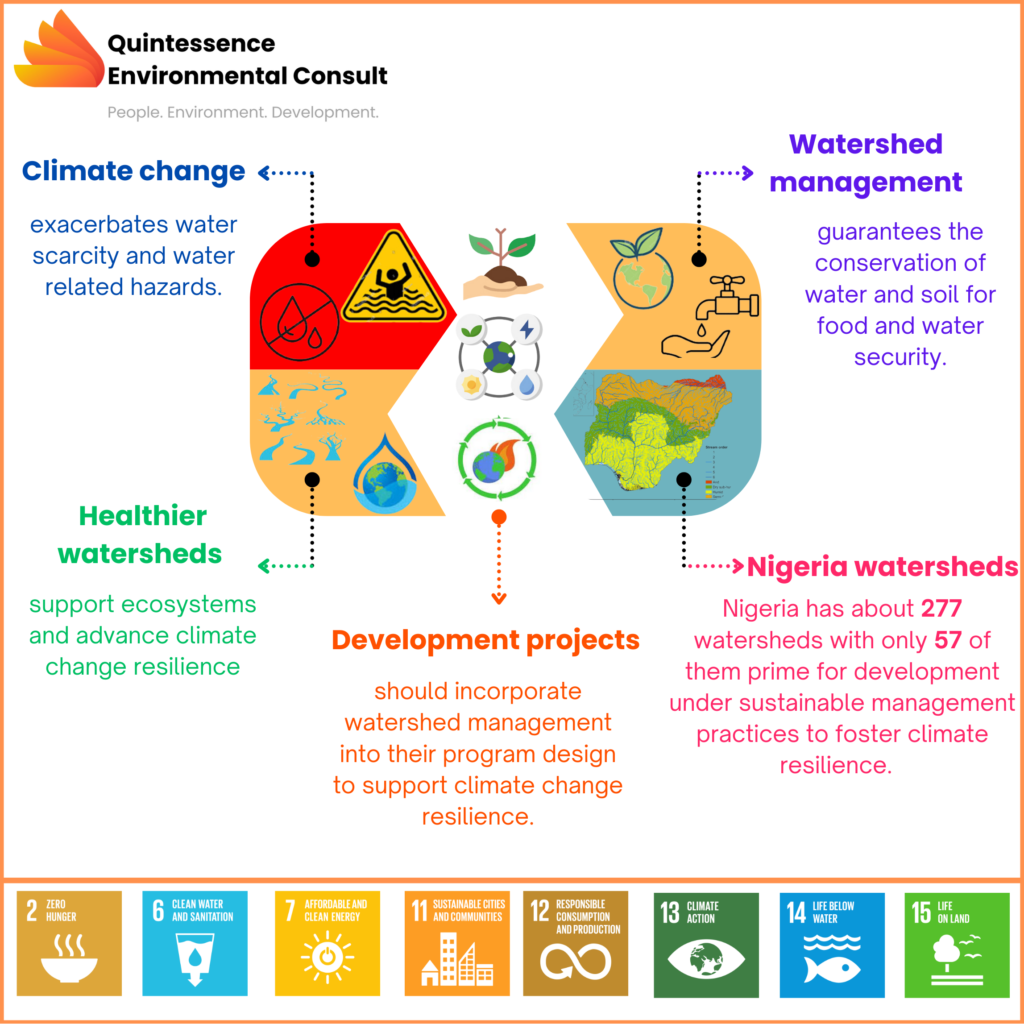
Key Takeaways Climate change exacerbates water scarcity and water related hazards. Watershed management guarantees water and soil conservation for food and water security. Healthier watersheds support ecosystems and advance climate change resilience Development projects should incorporate watershed management into their program design to support climate change resilience. Nigeria has about 277 watersheds with only 57 of them prime for development under sustainable management practices to foster climate resilience. INTRODUCTION In 2012, Nigeria suffered an estimated loss of $16.9b in damaged properties, oil production, agriculture and others due to flood events. Since then, large flooding events have become recurrent every year. The damages caused by these challenges are directly associated with poor watershed management and increasing climate change impacts in Nigeria (1,2). The last major flood in Nigeria which happened in Borno State exemplifies the phenomenon. But what exactly are watersheds? Watersheds are the most valuable land units in any given location where water, soil and other associated resources are found in abundance for productive human use. A watershed is defined as the area where a river catches its water. The incoming waters that form the streams and river networks in the area come from precipitation, runoff, and rivers upstream. The flowing river provides a source of fresh drinking water and nutrients for soils, supporting life in and around the area. However, urbanization, climate change and poor landuse can diminish the capacity and potential of watersheds to support life. SIGNIFICANCE OF WATERSHEDS Sustainable human development requires access to water for domestic, agricultural and industrial purposes. Similarly, growing food requires good soil with the right balance of nutrients. This establishes the linkages between watershed health and human development. Watersheds are affected by climate change which can reduce the quantity, quality, timing and distribution of water. The cumulative impacts of past land-uses, water withdrawals, and disturbances in a watershed are all exacerbated by climate change (3). Effective watershed management is essential for several reasons: Water Supply: Watersheds are the source of our drinking water, irrigation for agriculture, and water for industrial use. Flood Control: Proper management can help mitigate floods by reducing runoff and soil erosion. Water Quality: Protecting watersheds helps maintain water quality by preventing pollution and sedimentation. Biodiversity Conservation: Healthy watersheds support diverse ecosystems, including plants, animals, and microorganisms. Economic Development: Sustainable watershed management can contribute to economic growth by supporting agriculture, tourism, and other industries. Climate Resilience: Mitigating the adverse effects of extreme climatic conditions, such as drought and desertification, on crops, humans, and livestock. SUSTAINABLE DEVELOPMENT PROJECTS FOR WATER AND FOOD SECURITY IN NIGERIA In Nigeria, the Federal Government in collaboration with development partners such as the International Fund for Agricultural Development (IFAD), Africa Development Bank (AfDB) and World Bank has ramped up investments in developing agriculture and water resources. For example, the World Bank is supporting the development of dams for irrigation and power generation through the Sustainable Power and Irrigation in Nigeria (SPIN). Similarly, the Special Agro-Industrial Processing Zone (SAPZ) program, as well as the Value Chain Development Program (VCDP) were launched by the AFDB and IFAD respectively. While these programs are significant and undergo extensive environmental and social screening before approval, integrated watershed management is not well-aligned with their development objectives. Pranay Panjala and his co-workers from the International Crops Research Institute for the Semi-Arid Tropics (ICRISAT) evaluated Nigeria’s watersheds and determined that there were up to 277 watersheds across the country. The researchers used a multi-criteria dataset of biophysical parameters including temperature, precipitation, slope, soil depth, soil texture, and length of growing period to establish that only 57 out of the 277 watersheds in Nigeria were suitable and prime for economic development. Their result also implies that the remaining 220 (covering more than 70% of the country) had some type of limitation across the biophysical parameters which does not guarantee economic value without innovative and sustainable measures. Accordingly, poor management of watersheds in Nigeria will increase human vulnerability to hunger, disasters and other environmental challenges. KEY PRINCIPLES OF WATERSHED MANAGEMENT Modern watershed management practice requires an integrated approach providing a holistic consideration for the interconnectedness of various factors, including land use, water resources, and ecological processes. Also, engagement and participation is comprehensive. Involving local communities in decision-making processes ensures ownership and sustainability of management practices. Other key principles of watershed management include: Sustainable Land Use: Promoting sustainable land use practices, such as agroforestry, conservation agriculture, and reforestation, helps protect soil and water resources. Water Conservation: Implementing water conservation measures, like efficient irrigation techniques and rainwater harvesting, helps reduce water consumption. Pollution Control: Controlling pollution from point and non-point sources is crucial for maintaining water quality. Monitoring and Evaluation: Regular monitoring and evaluation of watershed health and management practices are essential for adaptive management. THE CHALLENGES AND OPPORTUNITIES Nigeria’s agricultural and water resources sectors present a wealth of development opportunities, driven by the country’s vast land, favorable climate, and growing population. However, there is growing concern about the impacts of climate change, casting a shadow of challenges. Increased population and urbanization as well as loss of forest cover and land degradation are increasing surface temperatures, soil erosion and water scarcity. Despite these challenges, there are opportunities to improve watershed management: Technological Advancements: New technologies, such as remote sensing and GIS, can enhance monitoring and decision-making. Policy and Institutional Reforms: Strong policies and effective institutions are essential for implementing sustainable watershed management practices. Public Awareness and Education: Raising public awareness about the importance of watersheds and promoting environmental stewardship can drive behavioural change. CONCLUSION Climate change is now intricately linked to watershed development, influencing hydrological processes, water availability, and ecological balance. As the climate warms, precipitation patterns become increasingly erratic, leading to more frequent and intense rainfall events and prolonged droughts. These shifts disrupt the delicate equilibrium of watersheds, affecting water flow, sediment transport, and nutrient cycling. In response to these challenges, sustainable development programs must now adapt their climate change plans to include integrated watershed management. This involves implementing climate-resilient strategies, such as sustainable land use practices, water conservation measures, and infrastructure upgrades, aligning with global climate goals and protecting vital ecosystems. REFERENCES Amangabra, G.T. & Obenade,
Flooding in Maiduguri, Borno State: A Complex Interaction of Natural and Human Factors
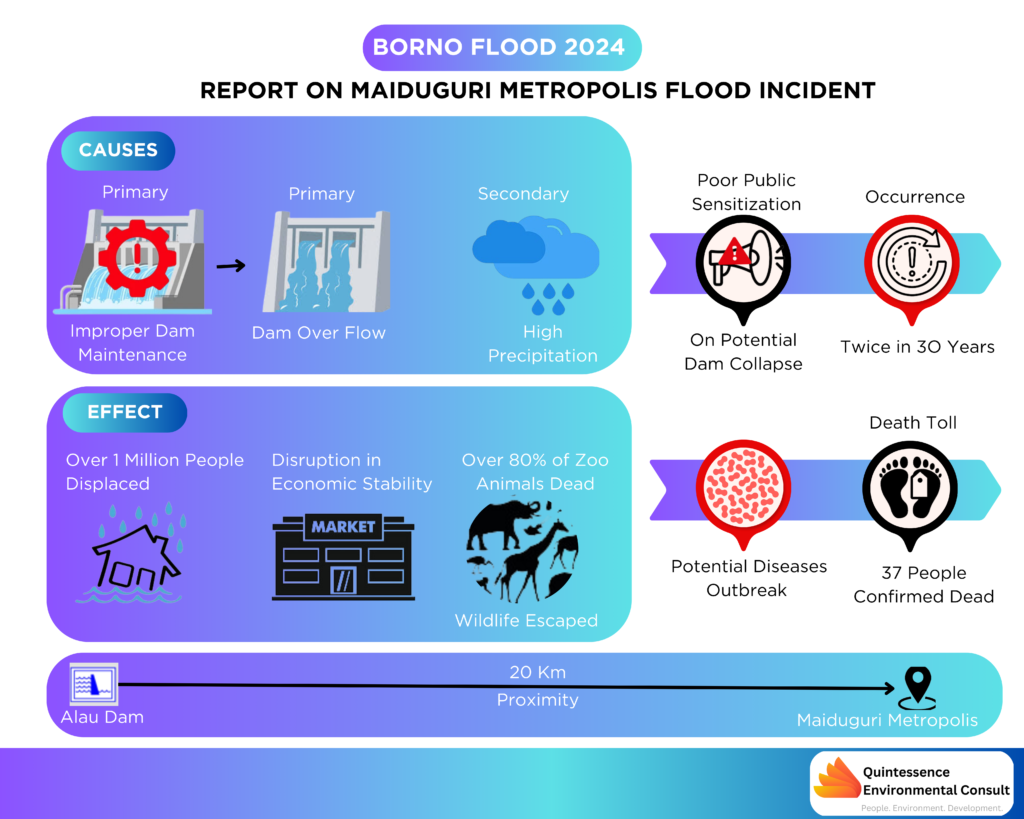
Location Maiduguri Metropolitan Council, Jere and Konduga, Borno State, Nigeria Incident Date Tuesday, September 10, 2024 Background Nearly a week after the flood incident in Borno State which flooded Maiduguri and its environs, the magnitude of devastation has left observers and experts alike in awe. Relevant emergency and humanitarian agencies have been overwhelmed due to limited logistical support to evacuate and relocate victims. So far, over 300,000 temporarily displaced people have been registered in 30 relocation sites. Primary Cause of Flood Collapse of the Alau Dam on the Ngadda River due to torrential rainfalls in the region and increased runoff was established to be the primary cause of the flood, making it the worst in 30 years. The last flood that occurred under similar conditions happened in 1994. General Impact Broader Context of Flooding in Maiduguri Maiduguri, the capital of Borno State, Nigeria and its environs have experienced recurrent flooding incidents in recent years, causing significant damage to property, infrastructure, and livelihoods. In the latest incident of flood, the primary cause is attributed to the poor maintenance of the Alau Dam which yielded to the large volume of rainfall. Meanwhile, there are other secondary causes of the flood which are complex and multifaceted, involving a combination of natural and human-induced factors. Natural Factors Human Induced Factors Call to Action Enhance Collaboration and Communication: For disasters of this scale, improving collaboration and effective communication among relevant stakeholders is essential to enhancing evacuation efforts and coordinating relief activities. Increase Immediate Humanitarian Response: Prioritize the rescue and relief efforts for affected individuals, providing them with essential supplies like food and WASH services to contain the spread of diseases. , water, shelter, and medical care. Improve Long-Term Disaster Preparedness: Develop and implement comprehensive flood prevention and mitigation plans, including early warning systems, drainage improvements, and community-based disaster preparedness initiatives. In addition, the authorities must ensure that the Alau dam is fully rehabilitated by conducting a thorough structural and hydraulic rehabilitation. Improve Urban Planning and Infrastructure: Ensure sustainable urban development practices that consider flood risks, such as avoiding construction in flood-prone areas and implementing proper drainage systems. Enhance Climate Change Mitigation: Support climate change mitigation efforts to reduce the frequency and severity of extreme weather events, including floods. This can involve promoting renewable energy, reducing greenhouse gas emissions, and implementing sustainable land use practices. Advance International Cooperation: Seek international assistance and collaboration to address the long-term impacts of the flood, including funding for reconstruction efforts, knowledge sharing, and capacity building.