
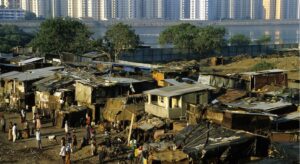
 A recent study led by Jarmo Kikstra of the International Institute for Applied Systems Analysis (IIASA) reveals that eradicating global poverty by 2050 is achievable without compromising the goal of limiting global warming to 1.5°C, as outlined in the Paris Agreement. This research challenges the prevailing notion that economic development and climate mitigation are mutually exclusive.
Key Findings
- Integrated Energy Scenarios: The study analyzed energy scenarios that align with both the Paris Agreement and the Sustainable Development Goals (SDGs). It found that providing essential services—such as heating, cooling, clean cooking, healthcare, education, and transportation—to all individuals is feasible without exceeding climate targets, provided that emissions reductions are implemented swiftly and decisively.
- Decoupling Emissions from Development: The research emphasizes that with targeted redistribution policies and international financial support, it’s possible to significantly reduce poverty without triggering a surge in carbon emissions. This decoupling is crucial for sustainable development.
- Tailored Support for the Global South: The authors highlight the necessity of customized policies for the Global South, where poverty levels are highest and development needs are urgent. Strategies like debt-for-nature swaps—where countries reduce national debt in exchange for investing in conservation and sustainable development—are proposed to provide economic relief while preserving ecosystems.
- International Cooperation: The study underscores the importance of increased climate finance and development aid from wealthy nations. Such support ensures that poverty reduction efforts do not come at the expense of environmental degradation.
Conclusion
This research offers a hopeful perspective: with the right mix of policy, international support, and sustainable investment, the world can uplift billions from poverty without sacrificing the climate. It calls for urgent action to implement these dual strategies, ensuring a just and sustainable future for all.
Source: Eco Watch