
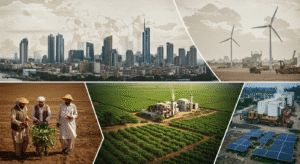
 The World Bank emphasizes that Pakistan’s path to sustained and inclusive economic growth hinges on steadfast implementation of structural reforms. Following a period of economic instability marked by political uncertainty, global monetary tightening, and fiscal imbalances, Pakistan has made strides toward macroeconomic stabilization. However, the World Bank cautions that without continued reform efforts, these gains may not translate into long-term prosperity.
In its latest Pakistan Development Update, the World Bank projects a modest economic growth of 1.8% for the fiscal year ending June 2024. This subdued recovery is attributed to tight monetary and fiscal policies, import management measures aimed at preserving foreign reserves, and muted economic activity amid weak confidence. The report underscores the critical need for Pakistan to implement an ambitious, credible, and clearly communicated economic reform plan to achieve robust recovery.
Key areas identified for reform include:
- Taxation: Broadening the tax base and improving tax administration to increase revenue without overburdening existing taxpayers.
- Energy Sector: Addressing inefficiencies and financial losses in the energy sector, including reforms in power distribution and pricing mechanisms.
- State-Owned Enterprises (SOEs): Enhancing the governance and financial performance of SOEs to reduce their fiscal burden.
- Private Sector Development: Creating a conducive environment for private investment by simplifying regulations and improving access to finance.
The World Bank also highlights the importance of protecting the most vulnerable segments of the population during the reform process. Implementing social protection measures and ensuring equitable access to opportunities are deemed essential for inclusive growth.
In summary, while Pakistan has made progress in stabilizing its economy, the World Bank asserts that the continuation and deepening of structural reforms are vital to transform this stabilization into sustained and inclusive growth. The success of these reforms will depend on strong political will, effective implementation, and clear communication with stakeholders.
Source: World Bank